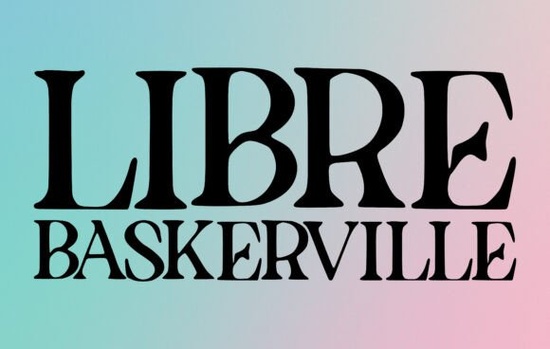
Many designers and small business owners keep circling back to Libre Baskerville because it balances classic charm with a modern, uncluttered feel. The Libre Baskerville Font is a well‑crafted serif that works just as beautifully for a crisp magazine headline as it does for a long‑form blog post. It’s the kind of typeface that lets your message breathe without looking dated.
Why do creators choose a classic serif like this for modern work?
A good serif helps guide the eye across a line of text, and this one does that quietly. Its generous x‑height and open counters keep small sizes readable, while the sharp yet friendly serifs give large titles a polished, editorial look. You won’t find exaggerated thicks and thins here the stroke contrast is gentle enough to stay clean on screen and in print. Before you commit, you can explore the full character set and licensing details on the product page. The file includes standard ligatures, oldstyle figures, and multi‑language support, so it’s ready for projects that need a little extra finesse.
Is Libre Baskerville more suited to large headlines or long reading?
Honestly, it handles both without complaint. Set a bold book title in 36pt and it feels authoritative but not shouty. Drop it into body copy at 10pt or 11pt and the rhythm stays even no squinting required. That flexibility makes it a favorite for print‑on‑demand sellers who need one font family to cover a t‑shirt slogan, a mug design, and a product description. Social media creators also lean on it because a short quote set in Libre Baskerville over a soft background photo rarely needs extra design tricks to look intentional.
How does it handle commercial projects like POD and branding?
Most designers first ask about usage rights. The Creative Fabrica license that comes with the download typically covers unlimited physical and digital products, including print‑on‑demand, logo creation, and client work. Always double‑check the exact license tier when you grab the file, but in practice crafters and small agencies use it for wedding invitation suites, card templates, web banners, and brand style guides without any headaches. The typeface’s upright elegance lends itself well to formal stationery and minimal brand identities, yet it doesn’t feel too serious for a playful organic coffee label or a handmade soap wrapper.
What should you pair with Libre Baskerville?
A sturdy serif like this plays nicely with simple sans‑serifs for contrast, but don’t overlook other serifs when you want a more layered, editorial look. If you need a slightly warmer body face with a different texture, Vernacular Serif shares a similar readable weight and works beautifully in cookbook layouts or newsletter designs. For an invitation or a greeting card that calls for a touch of whimsy, Mermaid Tails brings delicate, flowing alternates that pair with Libre Baskerville’s solid structure without competing. Many crafters set the guest names in Mermaid Tails and the event details in Libre Baskerville, and the combination feels thoughtful and romantic.
Another reason designers love Libre Baskerville is its roots. The typeface is a modern digital revival inspired by the original Baskerville forms from the 1750s, which were prized for their refined, almost calligraphic precision. Bringing that heritage into contemporary projects whether it’s a minimalist Shopify store or a cottage bakery’s logo adds a hint of story without any fuss.
A quick checklist before you finalize your font choice
- Test at your actual sizes. What looks sharp on a 27‑inch monitor might feel weak on a phone screen or a tiny hang tag. Print a sample if you can.
- Check the glyphs. Make sure the set includes the punctuation, accents, and special characters your project needs. That one missing swash or ç can stall a bilingual design.
- Confirm your license tier. If you plan to sell digital products or use the font in a logo you’ll trademark, read the specific terms on this font’s product page right after downloading.
- Build a simple font pair test. Place a sample heading in Libre Baskerville next to a short paragraph in your go‑to sans. If the proportions feel balanced, you’re good to go.
Spend ten minutes with Libre Baskerville in your own design tool, and you’ll quickly see why it becomes a dependable part of so many creator toolkits. It’s the kind of serif that doesn’t need to shout it just makes your words look right.
Get Started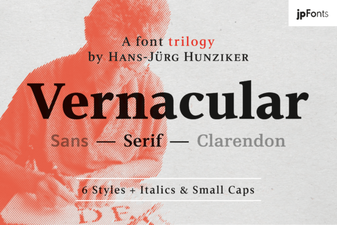 Vernacular Serif Fonts: Creative Uses & Project Ideas
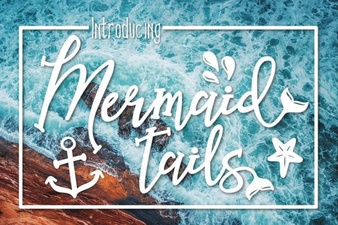 Mermaid Tails Font: Creative Design Ideas
 Cute Dinosaur Fonts: Free Downloads and Design Ideas
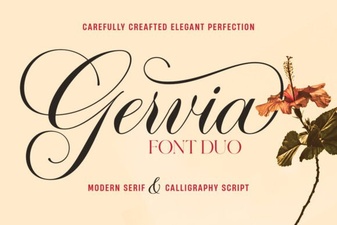 Gervia Font: Creative Typography for Modern Design
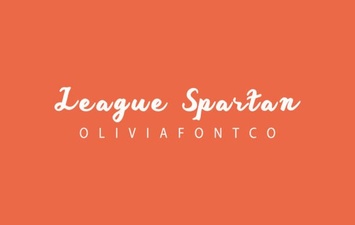 League Spartan Font: Bold Geometric Design for Modern Projects
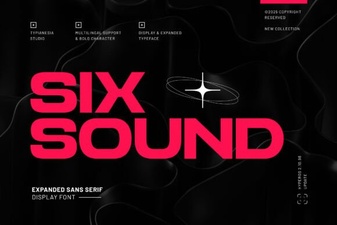 Six Sound Font Font: Design Inspiration & Project Ideas