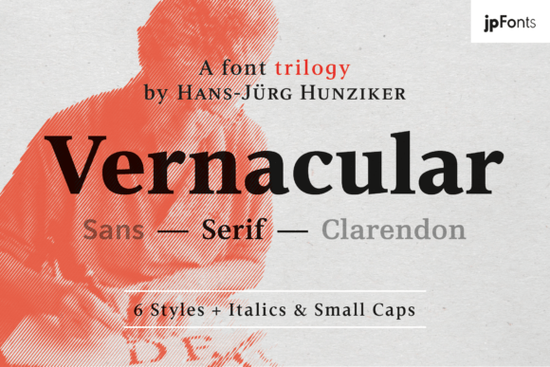
The Vernacular Serif family is one of those typefaces that feels serious without being stiff. Created by Swiss designer Hans-Jürg Hunziker, it carries the quiet precision you’d expect from someone who spent years working alongside Adrian Frutiger. But this isn’t a single font it’s a trilogy of cohesive styles, and the serif version alone brings 12 finely tuned weights plus separately drawn italics to your toolkit.
What makes the Vernacular Serif different from the Sans and Clarendon families?
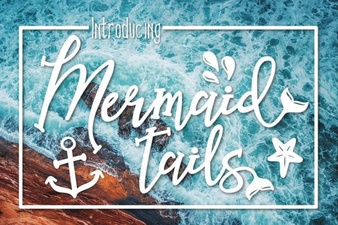
The trilogi Vernacular includes a Sans, a Clarendon, and this Serif cut. While the Sans and Clarendon share a vertical axis and similar terminal shapes, the Serif intentionally steps away with a traditional diagonal axis and horizontal endings. That gives it a warmer, more bookish rhythm. Yet the straight stems and shared proportions keep the families visually related you can switch between them without breaking your layout. For projects that need a unified look across headings and body text, this deliberate design makes mixing the three families surprisingly natural. If you’ve explored other serif options like our Mermaid Tails review, you’ll notice Vernacular leans more classical in structure.
Is it suitable for long-form reading and book design?
Yes, and that’s exactly what Hunziker had in mind. The Vernacular Serif is rooted in the concept of a transitional Linear Antiqua a style that bridges old-style warmth and modern clarity. The character shapes are drawn with a refined, almost noble expression that holds up in extended text. Because each weight is tuned carefully, you won’t encounter awkward color fluctuations when bolding or lightening a passage. Small caps and small cap figures are included across all fonts, so setting chapter titles, author names, or inline abbreviations feels effortless and typographically correct. If you’re moving from a font like Libre Baskerville, which many designers use for book work, you’ll notice Vernacular Serif gives you more weight options and a slightly more contemporary finish.
How do the figure styles and OpenType features work?
Every style in the Vernacular Serif collection includes tabular figures, proportional figures, and old-style figures. That matters when you’re building financial tables, newsletters, or reports where numbers must align or blend into the text flow. The font also carries small caps, plus small cap figures a rare combination that lets you set everything from body copy to footnotes consistently. A few weights offer alternate characters via Stylistic Sets, like a different ‘g’ shape, so you can subtly shift the personality without switching fonts. These features stay accessible both in desktop applications and in web typography when served properly.
Does it work for branding and corporate identity projects?
Absolutely. The trilogy concept was engineered for exactly that: a consistent typographic voice across every touchpoint. The Serif variant brings a human, trustworthy tone to stationery, editorial spreads, and presentation decks, while the matching Sans or Clarendon can handle signage, digital interfaces, or packaging. Because all three families coordinate on stem thickness and letter proportions, you avoid the jarring mismatches that happen when pairing unrelated typefaces. For small businesses or print-on-demand sellers who need a ready-made superfamily, Vernacular Serif and its siblings save hours of trial and error. The 12 weights per style also let you establish clear information hierarchy without adding more fonts to the license.
What about web use and cross-platform rendering?
Vernacular was designed with both print and web in mind. The outlines are drawn cleanly enough to survive different rasterizers and screen resolutions. The generous x-height and open counters help maintain legibility on low-resolution displays. If you’re serving the fonts via a Creative Fabrica license, double-check the terms, but typically full font files are included for desktop use, and you can embed the web fonts in your site using @font-face. The availability of true italics (not slanted romans) for every weight means your online emphasis looks intentional, not mechanical.
Are there any alternative characters worth activating?
In several weights, you can toggle a stylistic alternative for the lowercase ‘g’. The default is a two-story serif ‘g’, and the alternate offers a slightly different design that changes the typeface’s rhythm in subtle but satisfying ways. OpenType-aware apps let you access this with a single click, so you can experiment without altering the font file. This kind of flexibility is useful when you’re refining a logotype or want a specific mood in a heading without disrupting the overall family consistency.
What should you check before purchasing?
- Confirm the license covers your intended use POD, web embedding, ebooks, etc.
- Open the font in a character map or design tool to verify the small cap and figure sets are accessible.
- Test the weights you need most; the regular, bold, and italic are solid, but the lighter and heavier extremes are designed for fine typography, so they may feel delicate or heavy at small sizes.
- If pairing with the Sans or Clarendon families, test a few key phrases to ensure the shared proportions work for your specific layout.
Take a moment to scroll through the full character set preview on the product page. Because the family is so extensive, you might discover a weight or figure style that solves a specific problem you’ve had with other serif fonts. For designers chasing a balanced, highly usable serif with genuine heritage, Vernacular Serif brings Swiss craftsmanship without the coldness.
Learn More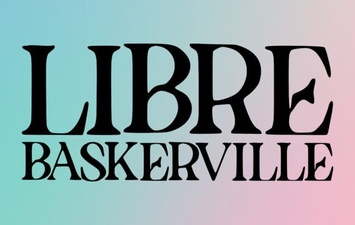 Libre Baskerville Font: Tips, Pairings, and Project Ideas
 Mermaid Tails Font: Creative Design Ideas
 Cute Dinosaur Fonts: Free Downloads and Design Ideas
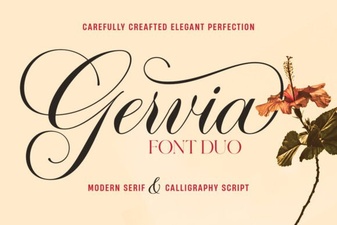 Gervia Font: Creative Typography for Modern Design
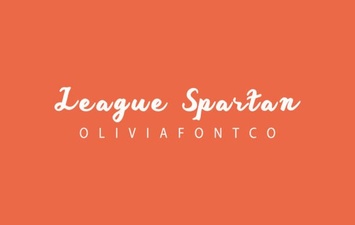 League Spartan Font: Bold Geometric Design for Modern Projects
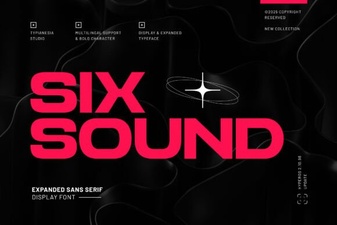 Six Sound Font Font: Design Inspiration & Project Ideas