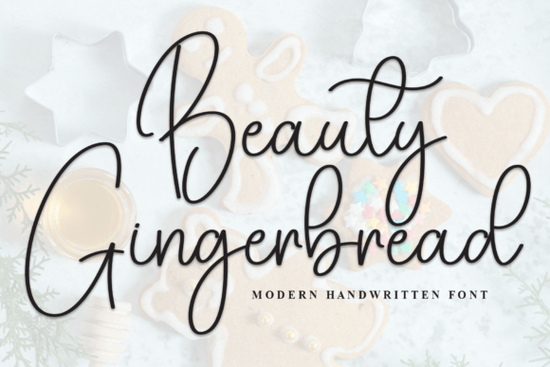
What kind of projects suit Beauty Gingerbread best?
The soft, flowing letterforms make this font a natural choice for anything that calls for a personal touch. Designers and crafters often reach for it when creating wedding invitations, save‑the‑date cards, place cards, and thank‑you notes. The same graceful, connecting strokes work beautifully on greeting cards, inspirational quotes for social media, and product packaging for small businesses that want a handmade feel.
Print‑on‑demand sellers also appreciate how well Beauty Gingerbread reproduces on mugs, tote bags, and t‑shirts because the lines stay crisp even at larger sizes. If you run a craft blog or Etsy shop, the font gives your headers and digital downloads a consistent look that customers associate with thoughtful, high‑end design.
Is Beauty Gingerbread easy to use for beginners?
Yes, and that’s one of its biggest strengths. Unlike some overly decorative scripts, Beauty Gingerbread keeps its swashes and alternates understated, so you won’t spend hours tweaking letter connections. Most standard glyphs sit cleanly on the baseline, and the spacing feels balanced right out of the box. Even if you’re new to installing fonts in Cricut Design Space, Silhouette Studio, or Canva, you’ll have it ready for projects in minutes.
That straightforward experience doesn’t sacrifice versatility. You still get a full set of upper‑ and lowercase letters, numbers, punctuation, and basic ligatures to add variety to headlines and short lines of text.
How does Beauty Gingerbread compare to other script fonts?
It sits in a sweet spot between formal calligraphy and relaxed handwriting. For contrast, Juliette leans a little more traditional, while Brittiany Signature has a looser, bouncier rhythm. If you’ve already explored other graceful script options, you’ll notice Beauty Gingerbread uses thinner, more consistent strokes with a slightly taller x‑height, which helps readability on phone screens and small product labels.
Pairing it with a clean sans‑serif often leads to a modern, airy look. For instance, using League Spartan alongside Beauty Gingerbread creates a striking headline‑and‑subheading combo that still feels cohesive. We’ve seen makers combine something as structured as a bold, geometric sans with this script to balance friendliness and clarity on wedding welcome signs.
What file formats are included?
The font typically comes as a standard OTF (OpenType) file, which works across desktop and laptop systems Mac, Windows, and Linux without extra plugins. You can also use it in most design software, including Adobe Illustrator, Photoshop, Affinity Designer, and free tools like Inkscape. Because it’s an OpenType font, many glyph alternates are accessible through your app’s glyph panel, so you don’t need a separate “swashes” font file.
Once you download and install it, the full Beauty Gingerbread character set becomes available in any program that pulls from your system font library. This makes it simple to keep your branding consistent whether you’re working on a laptop or a shared office computer.
Where can I find similar elegant script fonts?
If you’re building a font collection for different moods, it helps to have a few go‑to options that feel light and airy. Whimsy Note gives you a more playful take on the handwritten style, and it can be a fun change of pace for children’s party invites or casual blog headers. For projects that need a slightly more structured script, another elegant signature font like Brittiany Signature often pairs well with the same design assets you already have.
Many crafters also keep a lighter, whimsical script in their toolkit for moments when a design needs to feel less serious without losing the handcrafted warmth. All of these work under the same Creative Fabrica license umbrella, so once you understand the terms for one, the rest follow similar rules no extra friction if you decide to use them for commercial gigs.
Tips for pairing Beauty Gingerbread with other typefaces
Start with contrast. Beauty Gingerbread’s delicate, slanted strokes look best against a sturdy, upright companion. A few serif and sans‑serif options that designers often reach for include:
- Simple sans‑serifs (like a thin geometric weight) to keep the page light and modern.
- Soft serifs with a bit of old‑style charm for a romantic, editorial feel.
- A monoline script if you want a consistent line weight across two connected scripts just make sure the second font has little to no slant so the layout stays readable.
When using the font for longer text blocks, such as a poem on an order‑of‑service card, increase the line spacing slightly and avoid all‑caps. The script is designed to connect letters, so too much uppercase can break the flow. Instead, use all‑caps for a single decorative word and let the rest breathe in sentence case.
If you’re designing for digital screens, keep the font size above 16 px so the thin upstrokes don’t vanish on lower‑resolution displays. Test on both a phone and a desktop preview before finalizing your blog graphic or social media template.
Practical next step
Before you buy, open your design software and mock up a quick sample with the word “Invitation” or your brand name. Compare the rhythm of the letters and notice whether the default spacing works for your layout. If it does, you’ve likely found a script that will save you time and keep your projects looking consistent. For even more variety, browse related script selections and curate a small set of three or four go‑to fonts for different seasons and styles.
Quick checklist:
- Install the OTF file and restart your design app.
- Test a wedding invite, a logo, and a social quote to see how the font performs in different contexts.
- Pair it with a clean sans‑serif for maximum readability.
- Open your software’s glyph panel to see alternates you might have missed.
- Grab a font pairing guide from your favorite design blog to experiment further.
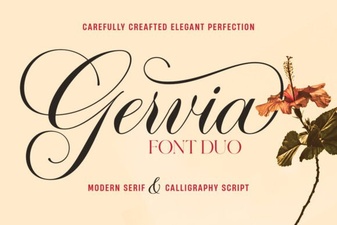 Gervia Font: Creative Typography for Modern Design
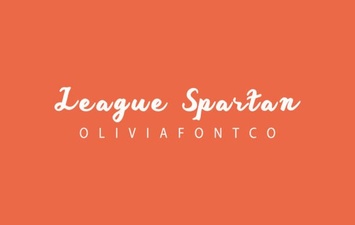 League Spartan Font: Bold Geometric Design for Modern Projects
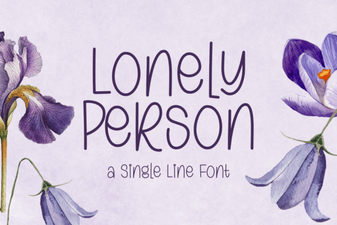 Lonely Person Font: Typography for Solitude and Emotion
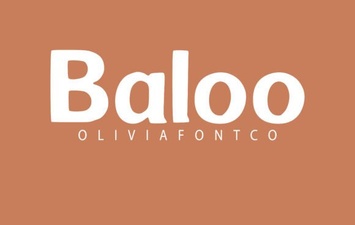 Playful Typography: Discover the Baloo Font
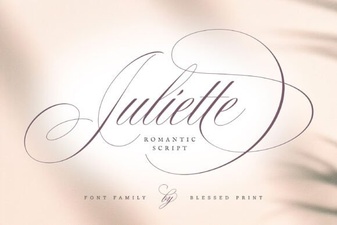 Juliette Font: Creative Design Ideas & Usage Tips
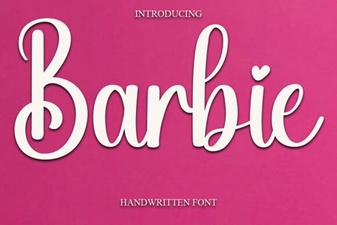 Barbie Font Guide: Creative Uses & Design Inspiration