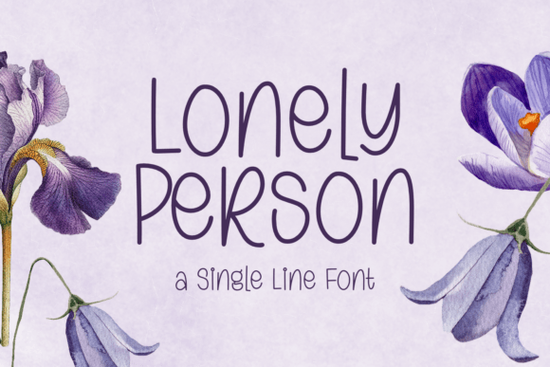
Scrolling through endless font lists, you often see typefaces that are either too serious or too chaotic. What many creatives really want is that sweet spot a design that feels light and friendly without looking childish. That’s where Lonely Person Font comes in. It’s a thoughtful mix of clean lines and subtle quirk, making it one of those designs you return to when you need a gentle, imaginative touch.
Why does this font feel so approachable?
The charm lies in its restraint. The letterforms are uncluttered, with just enough irregularity to suggest a hand-drawn origin. Unlike overly decorative scripts, Lonely Person keeps its shapes open and legible. The lowercase “a” has a soft, rounded bowl, while the “y” and “g” descenders bounce playfully. This balance helps it work in both short headlines and slightly longer phrases. For crafters making greeting cards or small business owners creating social media posts, that readable personality is a real time-saver. You don’t need to tweak spacing or force it to behave the font already carries the conversation.
What projects will Lonely Person shine on?
This font fits snugly into a range of creative work. Because it doesn’t scream for attention, it blends into the design while still adding a spark.
- Invitations and event stationery: birthday parties, baby showers, picnic flyers
- Print-on-demand merchandise: tote bags, mugs, t-shirts that need a witty quote
- Branding for small, friendly businesses: bakeries, daycares, craft supply shops
- Digital planners and stickers: the simple weight keeps stickers legible even at small sizes
- Social media captions and highlights: short text overlays on reels or story graphics
Designers who sell on platforms like Etsy or Creative Market will find the font easy to adapt. A quick mockup of a tote bag with a “But first, coffee” message already looks polished without extra frills.
How does the licensing work for commercial use?
Always read the specific license that comes with your purchase. Creative Fabrica fonts usually include a standard commercial license that covers physical products for sale, digital items with limited distribution, and personal projects. If you’re scaling up say, producing thousands of printed units or embedding the font in a widely distributed app you might need an extended license. I like to keep a simple checklist: Will my product use the font as a static image or as editable text? If it’s a flattened design on a t-shirt, the standard license almost always covers you. When in doubt, check the license card on the product page.
Can you pair it with other typefaces easily?
Lonely Person works like a friendly neighbour: it gets along with most sans-serifs and even some playful serifs. A clean geometric companion like League Spartan creates a modern, structured contrast that keeps layouts crisp. If you want to lean into the whimsical side, a hand-drawn scribble or a slightly heavier script adds warmth. I often test a pairing by setting the main heading in Lonely Person and the body text in something neutral. The combination consistently feels intentional, never mismatched.
For projects that need a touch more bounce, a rounded font like Baloo can sit beside it on a title card without competing. A detailed post on choosing friendly type for children’s brands explores that partnership further.
What if you want a similar vibe but with a different texture?
Sometimes the Lonely Person weight feels just a little too delicate for a chunky sticker design. That’s when looking at neighbouring fonts helps. Juliette shares that light, airy script flow but with a slightly more calligraphic edge. I’ve covered its charming details in an article on modern script fonts for heartfelt projects. If the task is a classroom poster or a playful worksheet, Kids Daily Notes offers a playful, printed handwriting style. You can see how it handles longer texts in a review of typefaces for parenting resources.
For those moments when you need something a little more festive, Beauty Gingerbread brings in ornamental curls while staying warm and approachable. I keep a folder of these variations so I can pull out the right texture without starting from scratch. A deeper dive into decorative script ideas for seasonal crafts might give you a few fresh combinations.
Is it easy to read at smaller sizes?
For most use cases, yes. Because the strokes aren’t overly thin and the x-height is generous, a 12pt Lonely Person on a sticker sheet or a 14pt quote on a mug remains clear. The only caution: intricate backgrounds or heavy textures can eat into the fine details. I recommend printing a quick test page on your home printer before ordering a bulk run of tote bags. If you’re designing for a predominantly mobile audience, bump the size up by a point or two to keep everything crisp.
What type of creative will get the most out of this font?
If you describe your design style as “craftcore,” “whimsical minimal,” or “gentle storytelling,” this font probably belongs in your toolkit. Scrapbookers, digital planner creators, and small shop owners selling affirmative stickers will reach for it often. Even print-on-demand beginners find it forgiving: a simple phrase paired with a clean background looks professional right away. Unlike fonts with extreme swashes or exaggerated loops, Lonely Person doesn’t require heavy editing to fit into a layout. That ease of use makes it especially attractive for hobbyists who want to focus more on their message than on wrestling with glyphs.
Simple ways to try it out today
- Install and doodle: Open your favourite design software, type a short phrase, and play with tracking and colour.
- Mock up a product: Drop the text onto a free t-shirt or mug mockup to see how it holds up in a real-world print.
- Pair with a neutral sans: Use League Spartan for the supporting information it’s a clean, sturdy complement that never overpowers.
- Check the license: Confirm commercial terms if you plan to sell the finished design, and jot down any attribution requirements.
- Keep a swatch folder: Save a specimen image of Lonely Person alongside fonts like friendly rounded styles so you build a quick reference for future projects.
Spending fifteen minutes with these steps often sparks more ideas than hours of browsing. The font’s quiet charm tends to grow on you the more you use it.
Explore Design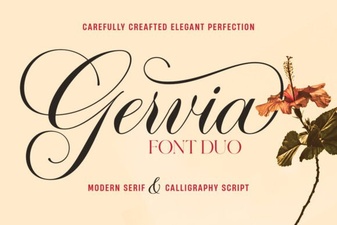 Gervia Font: Creative Typography for Modern Design
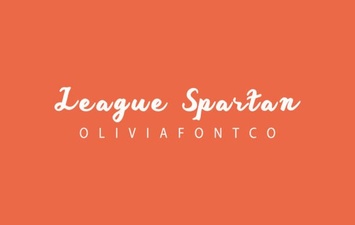 League Spartan Font: Bold Geometric Design for Modern Projects
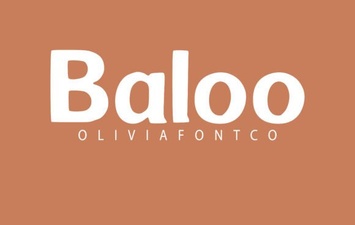 Playful Typography: Discover the Baloo Font
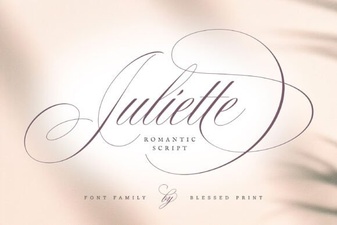 Juliette Font: Creative Design Ideas & Usage Tips
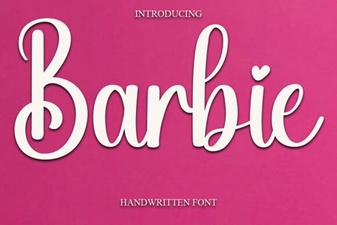 Barbie Font Guide: Creative Uses & Design Inspiration
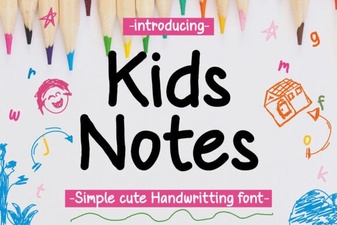 Playful Kids Daily Notes Font for School Projects