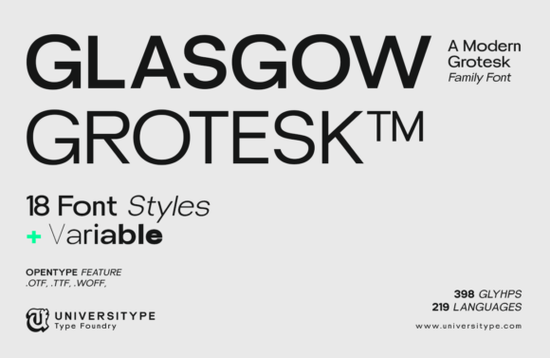
If you’re looking for a clean, versatile sans-serif font that bridges modern design and classic minimalism, the Glasgow Grotesk family from the Universitype Team handles that balance exceptionally well. With 18 distinct styles that let you control weight and width, it’s built to fit neatly into brand systems, responsive web designs, editorial work, and print projects without feeling fussy or overdesigned.
What makes Glasgow Grotesk a standout sans-serif workhorse?
A lot of sans-serif fonts promise flexibility, but Glasgow Grotesk delivers it through a large, thoughtful family rather than a single “one-size-fits-all” style. You get 18 variations that range from a whisper-thin hairline to a sturdy black, each with corresponding condensed and extended widths. That range means you can craft a full typographic hierarchy from delicate hero headlines to readable body copy without ever leaving the same family.
The font’s roots lie in the grotesk tradition, so letterforms stay straightforward and free of unnecessary decoration. The proportions are clean, the x-height is comfortable for reading, and the overall look skews modern without being cold. The thin style deserves special mention: it reads as refined rather than fragile, making it a dependable choice for high-end branding, magazine headers, and editorial layouts where subtle sophistication matters most.
How does the variable font technology help your design workflow?
Because Glasgow Grotesk is available as a variable font, you aren’t locked into fixed presets. You can smoothly dial the weight and width exactly where your design needs them say, 387 on the weight axis instead of sticking to regular or medium. This is a practical advantage in interactive media, where text might need to reflow gracefully across screen sizes, or in web design, where a single variable file can replace multiple static font files and improve page load times.
For brand identity systems, the variable version lets you fine-tune the exact “feel” of a wordmark or UI label without sacrificing consistency. A mobile app navigation label might use a slightly expanded weight for clarity, while the same brand’s print magazine headline sticks to a tighter width for drama all from one unified typeface.
Which projects suit the thin style best?
The thin weight of Glasgow Grotesk really shines in high-contrast layouts. Designers often reach for it when they need a quiet, elegant voice for:
- Luxury packaging and logo design
- Wedding invitations and stationery suites
- Minimalist poster series and exhibition graphics
- Fashion editorial headlines
- Website hero sections with ample white space
Pair the thin style with a medium or bold weight from the same family to create clear visual hierarchy without introducing a second font. You can also use the variable axis to nudge the weight just a touch heavier when the background is dark or the viewing distance is far.
How does Glasgow Grotesk compare to other sans-serif options?
This family stands out for its neutral, no-frills character, but it’s useful to know how it sits alongside other popular sans-serif fonts available in the same marketplace. If you want a slightly more geometric, rounded presence, Vectura brings a friendlier edge that works well in lifestyle branding. When a project calls for bold, playful letterforms with a punchy personality, Bold Dream steps in with a different kind of energy. Six Sound explores an unconventional, sound-inspired construction that can make album covers or experimental zines feel truly unique. But if your priority is maximum versatility, clean readability, and a truly broad style set that covers everything from narrow labels to wide banners, Glasgow Grotesk gives you that in one tightly coordinated package.
Quick tips for using Glasgow Grotesk across different media
Whether you’re a print-on-demand seller, a small business owner designing your own assets, or a craft blogger creating digital downloads, a few simple habits will help you get the best results from this typeface:
- Start with the variable file. Play with the weight and width sliders before deciding on a fixed style. You might discover that a custom weight around 500 feels more balanced than a preset medium.
- Use thin weights at larger sizes. Anything below 36pt or 24px can become hard to read if it’s too light, so save the hairline and thin styles for display text.
- Build contrast with weight, not just size. A bold heading and a regular body paragraph from the same family look intentional and polished.
- Pair with a classic serif. Glasgow Grotesk works beautifully set against a traditional serif like Garamond or Caslon for editorial spreads, wedding templates, or blog design.
- Test letter-spacing on wide styles. The expanded widths may benefit from slightly tighter tracking to keep word shapes crisp.
Ready to try it?
Use this quick checklist to make the most of the typeface in your next project:
- Open the Glasgow Grotesk product page and flip through the 18 styles to spot the ones that match your project’s mood.
- Download the variable font file and test the weight and width axes in your design software.
- Build a simple brand typography ladder: choose a thin style for hero text, a regular for body, and a bold for captions or buttons.
- Experiment with pairing it alongside a serif for editorial mockups, or let it run solo in a minimalist craft logo.
- If you need extra character, browse related sans-serif fonts like Vectura or Bold Dream for a complementary secondary typeface.
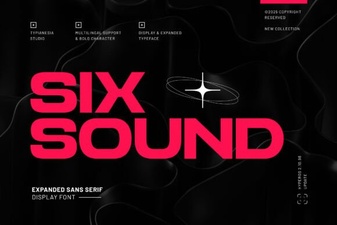 Six Sound Font Font: Design Inspiration & Project Ideas
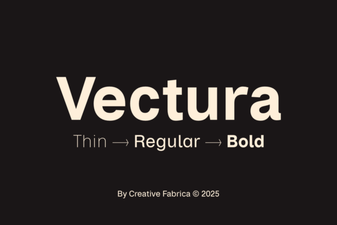 Explore Vectura Font for Creative Design Projects
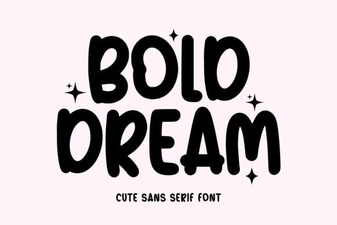 Bold Dream Font: Unleash Creativity in Every Design
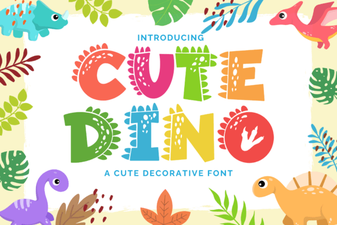 Cute Dinosaur Fonts: Free Downloads and Design Ideas
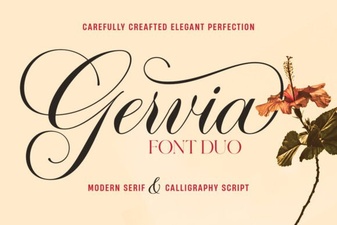 Gervia Font: Creative Typography for Modern Design
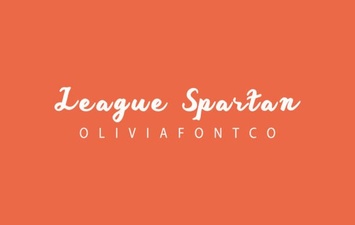 League Spartan Font: Bold Geometric Design for Modern Projects